Mystery Tellers
Type detective fiction (no tale-type number)
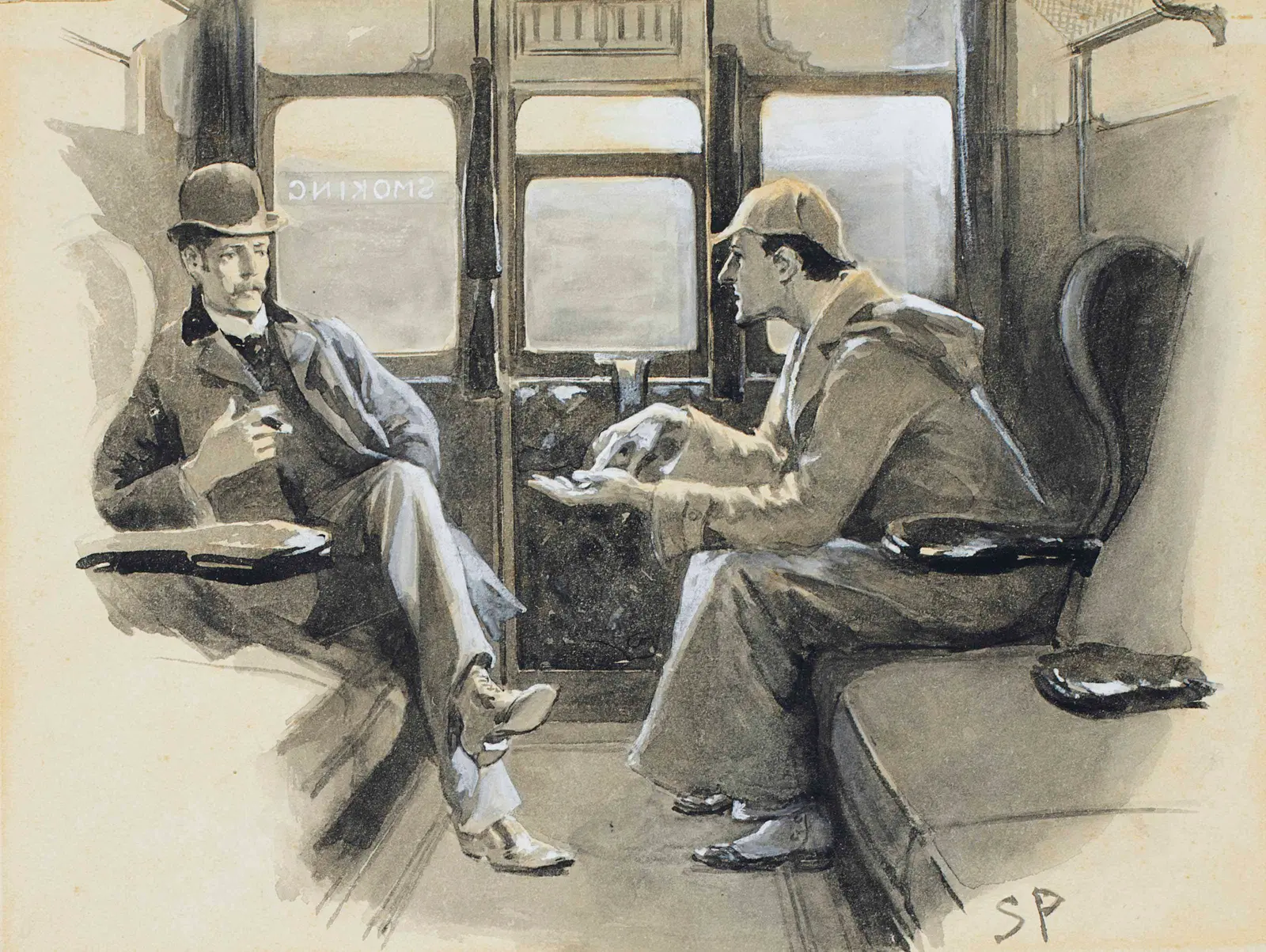
Dr. Watson narrates 56 of the 60 Sherlock Holmes stories, counted story by story. Holmes tells two, two are third-person, and Poe's friend did it in 1841.
Picture credit
"Original drawing for “Silver Blaze”" by Sidney Paget — https://commons.wikimedia.org/wiki/File:The_Adventure_of_Silver_Blaze_01.jpg — Public domain in US (published 1892 in The Strand Magazine); DE/FR (Sidney Paget d. 1908, life+70); faithful photograph of a two-dimensional drawing (PD-Art; auction-house photograph, Christie's)
Mystery Tellers
Type short story (no tale-type number)
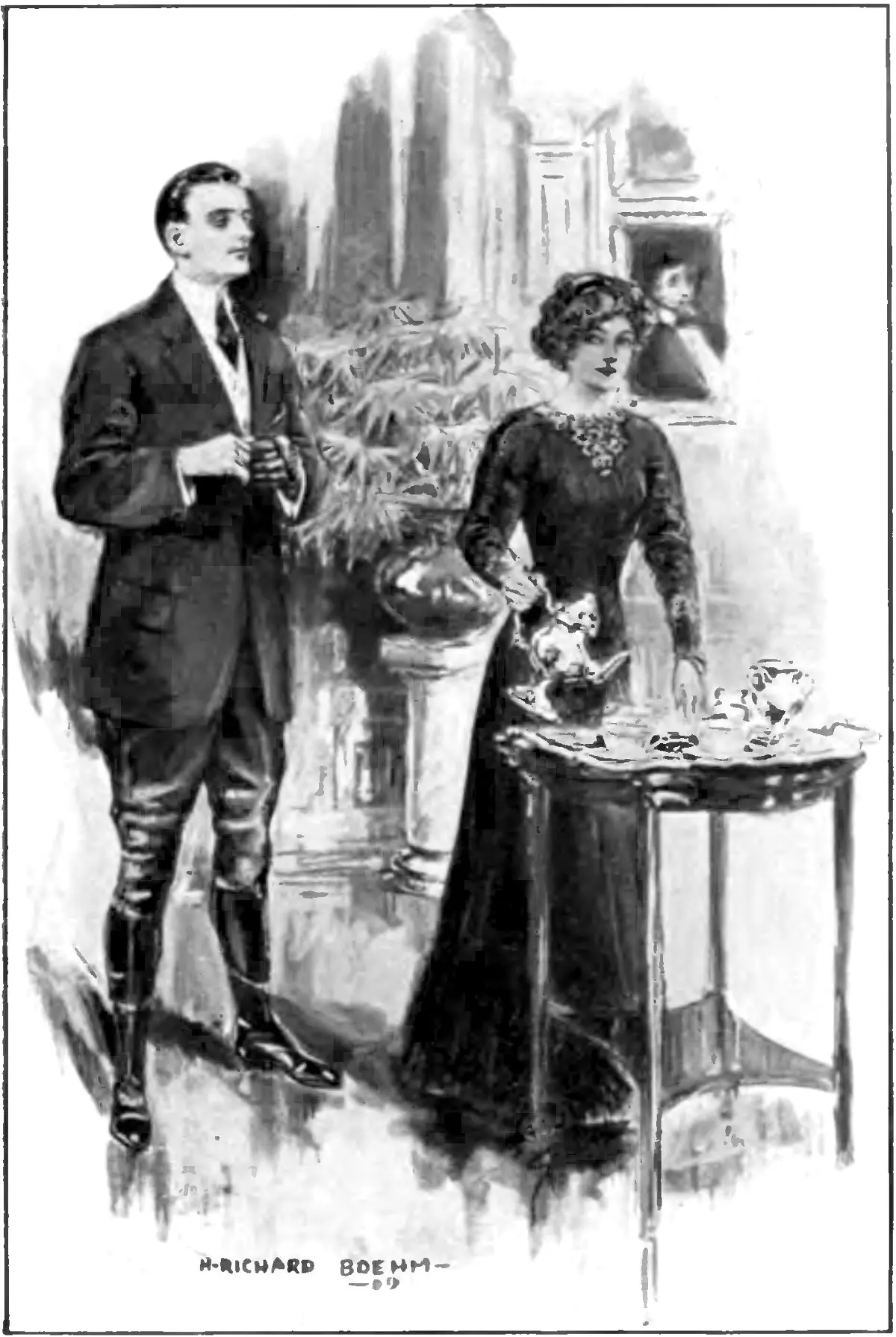
In the earliest known Arsène Lupin story (Je sais tout, July 1905), the passenger who tells it is Lupin; the 1907 book adds a friend’s frame around his voice.
Picture credit
"Frontispiece, Arsène Lupin (Doubleday, 1909)" by H. Richard Boehm — https://commons.wikimedia.org/wiki/File:Frontispiece-Arsene_Lupin_(Doubleday,_1909).jpg — Public domain in US (published 1909); DE/FR (H. Richard Boehm d. 1914, life+70)
Mystery Tellers
Type detective short story built on a real case (no tale-type number)
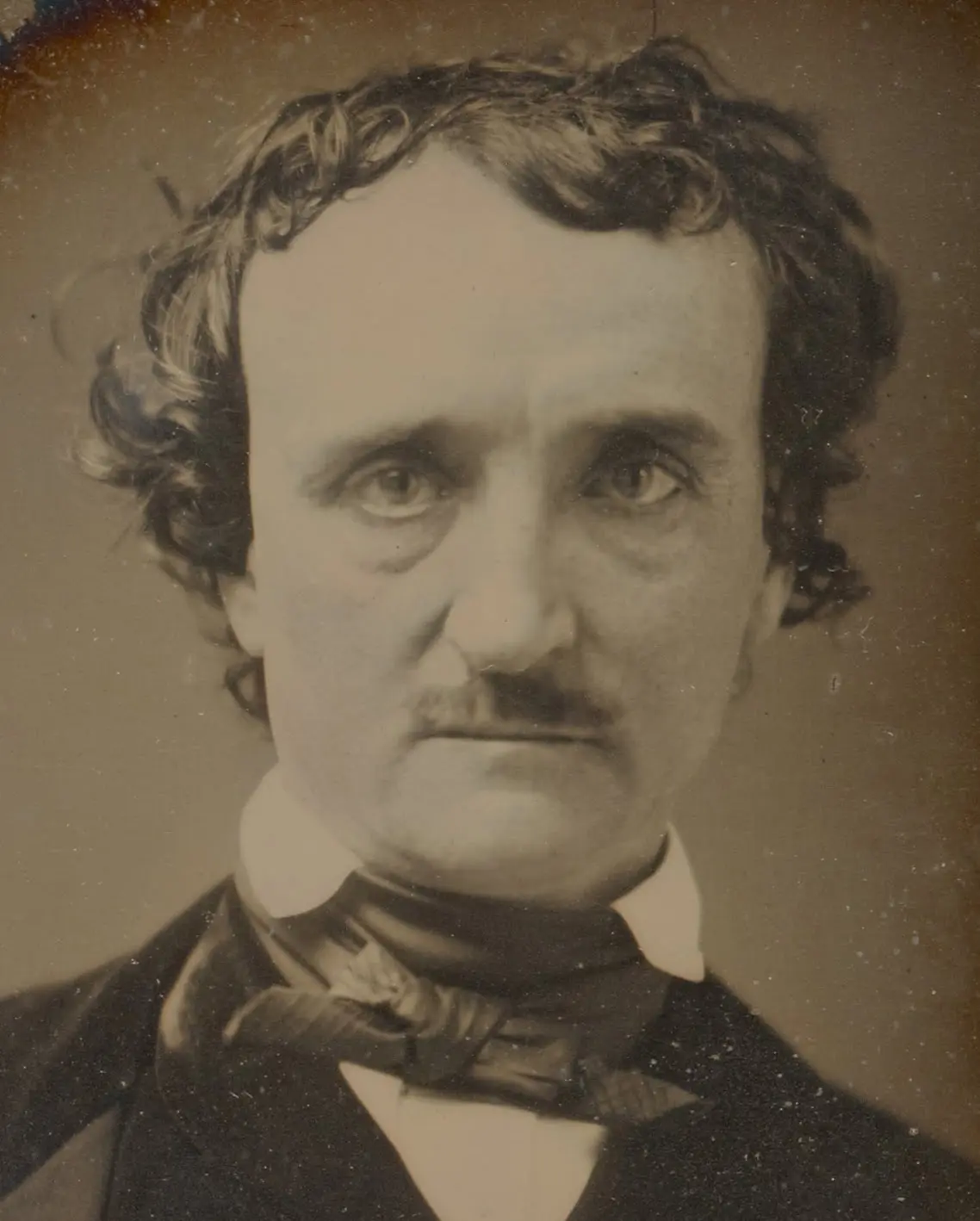
Poe’s Marie Rogêt ran as a serial in 1842–43, then in his 1845 Tales. Side by side: the 1845 text drops a confessed killer and allows an accident.
Picture credit
"Edgar Allan Poe" by Unknown maker, American (daguerreotypist) — https://commons.wikimedia.org/wiki/File:1849_face_detail,_from-_Unknown_maker,_American_-_Edgar_Allan_Poe_-_Google_Art_Project_(cropped).jpg — Public domain in US (made 1849 by an unidentified photographer, presumed not to have lived past 1955 since he was working in 1849; anonymous unpublished work, more than 120 years since creation); DE/FR (anonymous work, more than 70 years since it was made); photograph released by the J. Paul Getty Museum Open Content Program
Mystery Tellers
Type memoir of crime and police (no tale-type number)
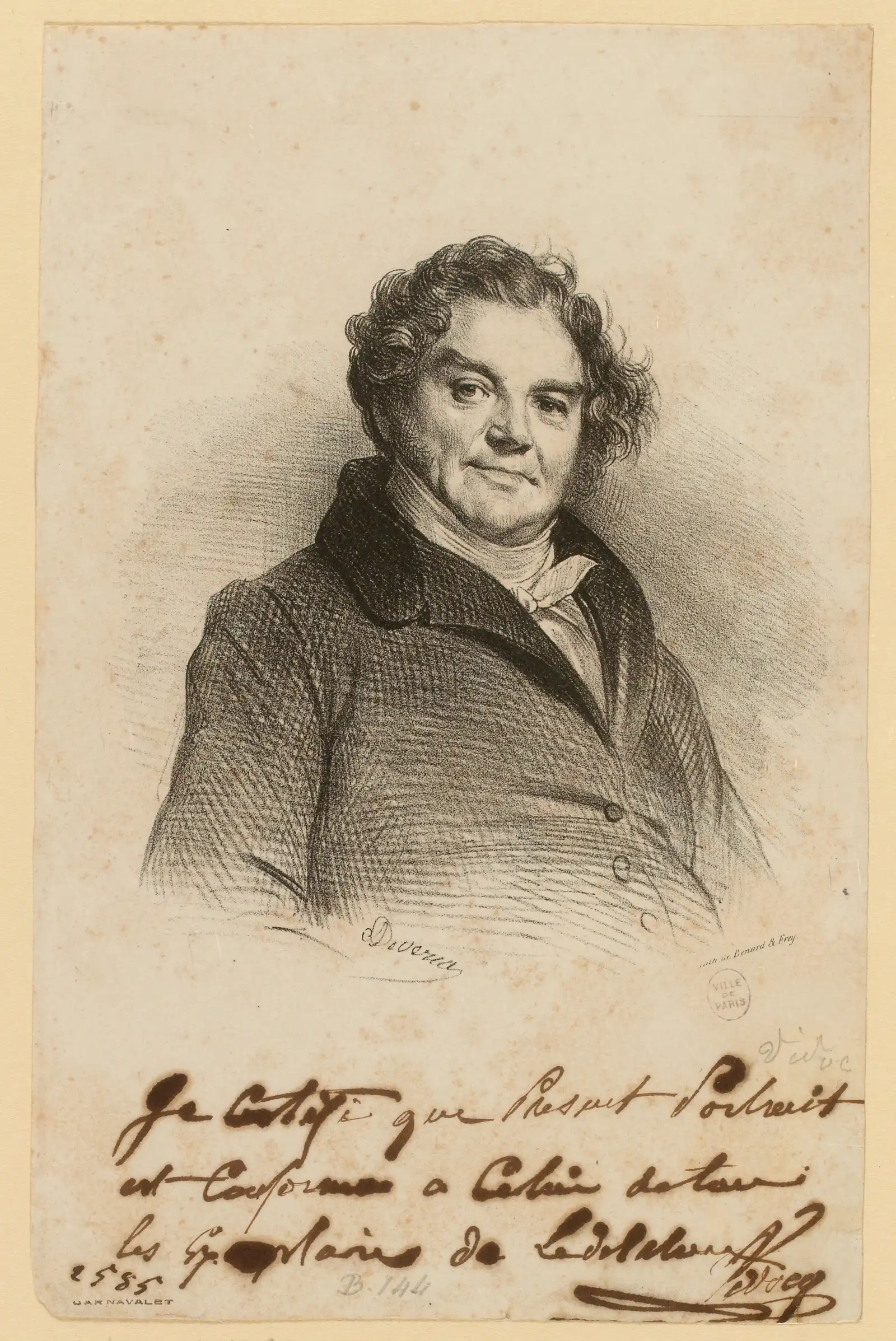
Vidocq’s Mémoires (1828–29) carry his name, yet their own preface says a reviser rewrote volume 1 and part of volume 2; a study cited by the BnF names two.
Picture credit
"Portrait d'Eugène Vidocq (1775-1857), aventurier et chef de la police de sûreté (G.12180)" by Achille Devéria — https://commons.wikimedia.org/wiki/File:Portrait_d%27Eug%C3%A8ne_Vidocq_(1775-1857),_aventurier_et_chef_de_la_police_de_s%C3%BBret%C3%A9._G.12180_(1_of_4).jpg — CC0 1.0 (https://creativecommons.org/publicdomain/zero/1.0/)